
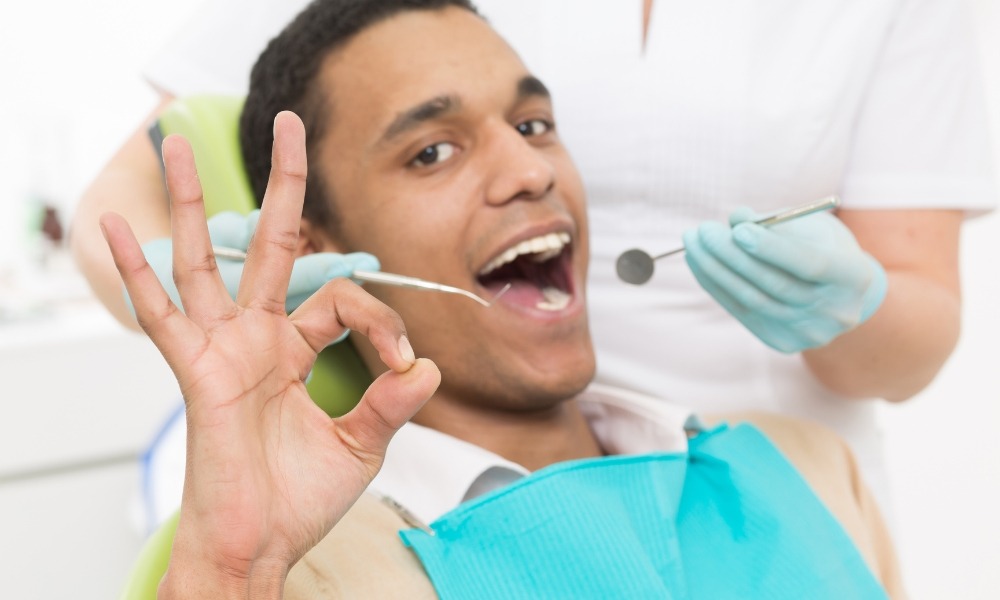
Taking care of your teeth and gums becomes even more important as you get older. Good oral health can help prevent toothaches, cavities, gum infections, and even tooth loss. A healthy mouth also makes it easier to eat, talk, and enjoy food without discomfort. As you age, your body changes, and so do your oral health needs. With the right habits, you can keep your smile strong and bright for years to come.
If you have health conditions such as diabetes or heart disease, or if you take medicines that cause dry mouth or other oral side effects, you need to pay special attention to your dental care. dentist office near me can provide personalized advice and treatments to help manage oral health alongside medical conditions. Poor oral health can make these conditions worse, so caring for your teeth is an important part of staying healthy overall.
One of the best ways to protect your teeth is by brushing and flossing every day. Brushing removes food particles and plaque — a sticky layer of bacteria that can cause tooth decay and gum disease. You should brush your teeth twice a day using fluoride toothpaste, once in the morning and once before bed. Make sure to brush gently in circular motions and cover all areas of your mouth. If you find flossing difficult, your dentist can suggest other tools, such as small brushes or picks, to clean between your teeth.
If you wear dentures, have dental bridges, or implants, clean them daily as instructed by your dentist. Keeping these clean helps prevent infections and bad breath.
It’s also very important to keep an eye on any changes in your mouth. As people age, the risk of oral cancer increases. Watch for warning signs like sores that don’t heal, red or white patches, lumps, swelling, or numbness in the mouth, lips, or tongue. Early detection can make a big difference in treatment.
How often you need to see a dentist depends on your personal needs and overall oral health. During visits, your dentist will clean your teeth, check for cavities or gum problems, and look for early signs of oral cancer or other issues.
Dry mouth is another common problem among older adults. It happens when your body does not make enough saliva. This can make it difficult to chew, swallow, or even talk. Saliva protects your teeth from decay, so when you don’t have enough of it, you are more likely to get cavities. If you have this issue, talk to your doctor or dentist about possible treatments or ways to manage it.
Healthy habits also play a big role in maintaining strong teeth. Eat a balanced diet with plenty of fruits, vegetables, and whole grains, and limit sugary foods and drinks. Sugar feeds bacteria that cause cavities and gum problems. If you drink alcohol, do so in moderation since heavy drinking can also harm your mouth.
By brushing, flossing, visiting your dentist regularly, and maintaining healthy habits, you can keep your teeth and gums strong and enjoy a confident smile throughout your life.
