
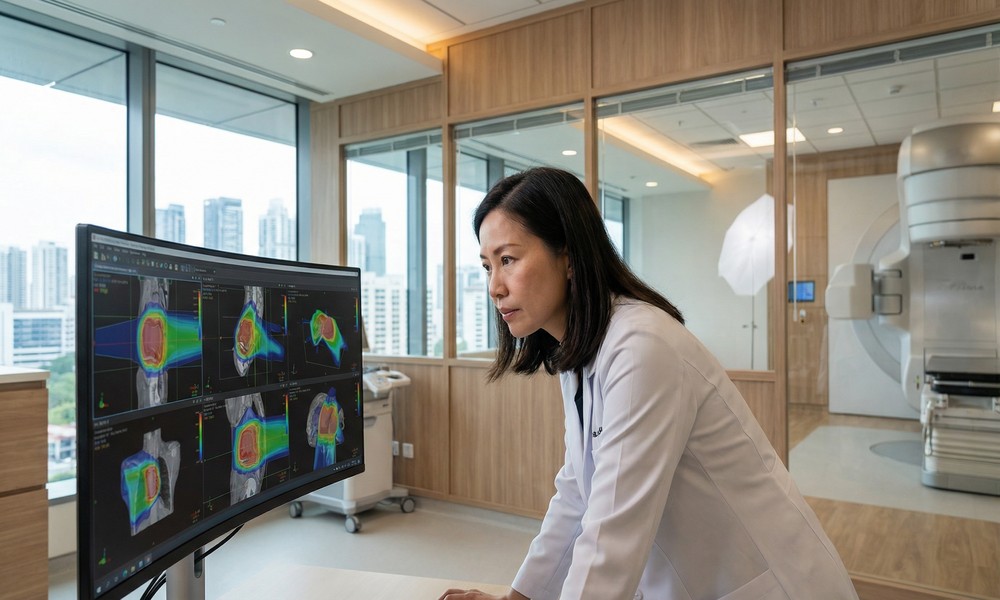
How do you find the right cancer specialist in Singapore?
Navigating a cancer diagnosis can be overwhelming, especially when it comes to finding the right medical support. In Singapore, where healthcare options are diverse and specialised, understanding what to expect from a cancer specialist singapore can make a significant difference in your treatment journey. A cancer specialist, often an oncologist or radiation oncologist, plays a crucial role in guiding patients through diagnosis, treatment options, and ongoing care.
Singapore’s healthcare system is known for its integration of advanced technology and patient-centred care, and cancer specialists here typically work within multidisciplinary teams. This collaborative approach ensures that every patient’s unique condition is considered from multiple perspectives, including surgery, chemotherapy, radiotherapy, and supportive care.
When seeking a cancer specialist, it’s important to consider their experience and familiarity with the specific type of cancer you or your loved one is facing. Accessing professional advice early can help clarify treatment pathways and provide reassurance as you navigate the complexities of cancer care.
What does breast cancer treatment in Singapore look like today?
Breast cancer remains one of the most common cancers affecting women in Singapore. Fortunately, advancements in medical technology and research have enhanced the range of treatment options available locally. If you or someone close to you is exploring breast cancer treatment singapore, understanding the typical processes involved may help you feel more prepared.
Treatment approaches often begin with a comprehensive diagnosis, including imaging and biopsy, to determine the cancer’s stage and characteristics. From there, personalised treatment plans are developed based on factors such as tumour size, hormone receptor status, and overall health of the patient. These plans frequently combine surgery, radiotherapy, and systemic therapies like hormone or targeted treatments.
In Singapore, radiation oncology is a key component of breast cancer care, particularly after surgery, to reduce the risk of recurrence. Treatment is generally delivered in a way that aims to minimise side effects and protect healthy tissues, reflecting Singapore’s commitment to quality patient outcomes and comfort.
Why is a multidisciplinary approach important in cancer care?
One of the strengths of cancer treatment in Singapore is the emphasis on a multidisciplinary team approach. This means that specialists from various fields-such as medical oncology, radiation oncology, surgery, radiology, and pathology-collaborate closely to develop and adapt treatment plans tailored to each patient’s needs.
This team effort not only improves the accuracy of diagnosis and staging but also allows for more flexible and adaptive treatment strategies. For example, a patient’s response to initial therapy may guide adjustments in subsequent care, ensuring the most appropriate and timely interventions.
Moreover, multidisciplinary care often includes supportive services such as nutrition, psychology, and rehabilitation, addressing the holistic needs of patients. This integrated approach contributes to more comprehensive care and better quality of life during and after treatment.
How does Singapore’s healthcare system support cancer patients?
Singapore’s healthcare system combines public institutions like the National Cancer Centre Singapore (NCCS) with private providers, offering patients a spectrum of options depending on their preferences and needs. Many cancer specialists operate within this network, ensuring access to advanced diagnostics and treatment technologies.
The availability of clinical trials and research in Singapore also enhances treatment options for patients interested in exploring innovative therapies. Cancer specialists in Singapore stay current with global advances by participating in ongoing education and professional development, contributing to the high standards of care.
Singapore’s emphasis on patient education is another noteworthy aspect. Clinics and hospitals often provide detailed information sessions and counselling to help patients and families understand their diagnosis and treatment choices, empowering them to make informed decisions.
What questions should you ask your cancer specialist?
Before embarking on any treatment, having an open dialogue with your cancer specialist can help alleviate uncertainties. It’s helpful to ask about the nature of the cancer, what diagnostic tests are necessary, and the rationale behind recommended treatments. Inquire about potential side effects and how they can be managed, as well as the expected timeline for therapy.
If you are seeking breast cancer treatment singapore, don’t hesitate to discuss personalised options, including the role of radiotherapy and other modalities in your case. Understanding the goals of each treatment phase can help you stay informed and actively participate in your care.
It’s also reasonable to ask about follow-up care and monitoring after treatment completion, as ongoing surveillance is an essential part of managing health post-cancer therapy.
How can you prepare for your visit to a cancer specialist?
Preparing for your consultation can make your visit more productive and less stressful. Bring along any relevant medical records, imaging results, and a list of current medications. Writing down questions in advance ensures you cover all concerns during the appointment.
Remember, cancer specialists in Singapore are accustomed to addressing a wide range of patient questions and are there to support you through each step. Clear communication helps build trust and ensures that your treatment aligns with your values and lifestyle.
Final thoughts
Choosing to consult a cancer specialist singapore and understanding available options for breast cancer treatment singapore are important steps in managing your health effectively. Singapore’s integrated healthcare environment, combined with experienced specialists, offers patients comprehensive support throughout their cancer journey.
Always seek personalised advice from qualified healthcare professionals who can guide you based on your individual circumstances.
The information in this article is for general informational purposes only and does not constitute medical advice. Please consult a qualified healthcare professional for any medical concerns.
