
Key Highlights
- The quality and density of the donor area are the most critical factors for success.
- Candidates must have realistic expectations about the final density and coverage.
- Underlying medical conditions or scalp issues must be addressed before surgery.
- Age and the stability of hair loss play a role in determining the timing of the procedure.
Introduction
The popularity of hair restoration has surged in recent years, with many people seeing it as the ultimate solution to thinning hair. However, while an FUE hair graft is a highly effective procedure, it is not a magic fix that works for everyone. Success depends on several biological and lifestyle factors that a surgeon must evaluate during a consultation. Determining candidacy is the most important step in the process, as it ensures that the patient will be satisfied with the results and that the donor hair is used efficiently. Before booking your surgery, it is essential to understand the criteria that medical professionals use to decide if you are a suitable candidate for this transformative treatment.
1. Availability of Donor Hair
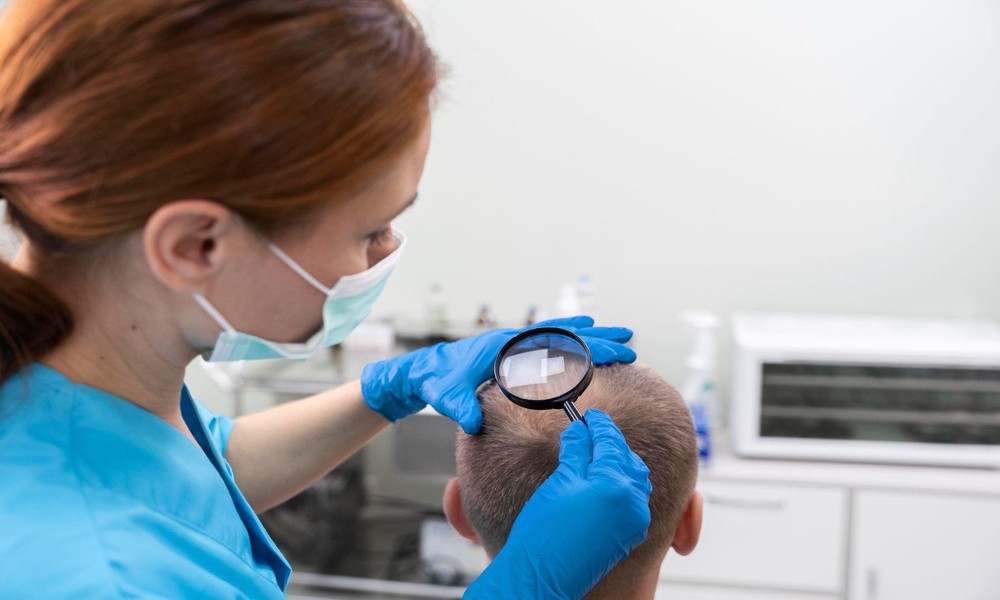
The most fundamental requirement for an FUE hair transplant is having a sufficient supply of healthy hair follicles in the donor area. Since the procedure involves moving hair from one part of the head to another, you must have enough spare hair to cover the balding areas without thinning out the back of your head too much. Surgeons look for high hair density and good hair calibre (thickness). If the donor area is already sparse due to advanced balding or certain types of alopecia, there may not be enough grafts to achieve the desired look. A thorough scalp analysis helps the doctor calculate exactly how many grafts can be safely harvested for a natural result.
2. The Stability of Hair Loss
Timing is everything when it comes to hair restoration. A good candidate is usually someone whose hair loss has stabilised. If a patient is very young and still losing hair rapidly, getting an FUE hair transplant too early can lead to an unnatural appearance later in life. As the original hair continues to recede behind the transplanted area, it can create islands of hair that look out of place. Most surgeons recommend that younger patients first try to stabilise their hair loss with medication before opting for surgery. This ensures that the transplanted hair will blend seamlessly with the surrounding hair for many years to come.
3. Scalp Health and Medical History
The condition of the scalp plays a vital role in how well the transplanted grafts will take and grow. Candidates should ideally have a healthy scalp free from active infections, severe dermatitis, or scarring. Certain medical conditions or medications can also affect the body’s ability to heal or may interfere with the success of the follicles. During a consultation, a full medical history is taken to rule out any contraindications. People with chronic conditions that affect blood circulation or immune response may need to take extra precautions or may be advised to seek alternative treatments if the risks outweigh the potential benefits.
4. Realistic Expectations and Goals
A successful outcome is not just about the surgery itself, but also about the patient’s satisfaction. Suitable candidates are those who have realistic expectations about what an FUE hair transplant can achieve. While the hair grafting procedure can significantly improve density and redefine a hairline, it may not perfectly recreate the hair you had in your teenage years, especially if the balding area is large. A good surgeon will provide an honest assessment of the expected coverage and density. Understanding that the full results take a year to manifest and that multiple sessions might be needed for very large areas is a hallmark of a well-prepared and suitable candidate.
Conclusion
An FUE hair transplant is a powerful tool for restoring a youthful appearance, but its success is rooted in the individual characteristics of the patient. By evaluating donor hair availability, hair loss stability, scalp health, and expectations, both the doctor and the patient can move forward with a clear plan. If you are a good candidate, the procedure offers a permanent and natural-looking solution to hair loss. If you are not yet a candidate, there are often other medical treatments available to prepare your scalp for future restoration. The first step is always a professional consultation to understand where you stand and what is possible for your specific situation.
Contact Veritas Medical Aesthetics today to discuss how an FUE hair transplant can help you achieve your goals.
