
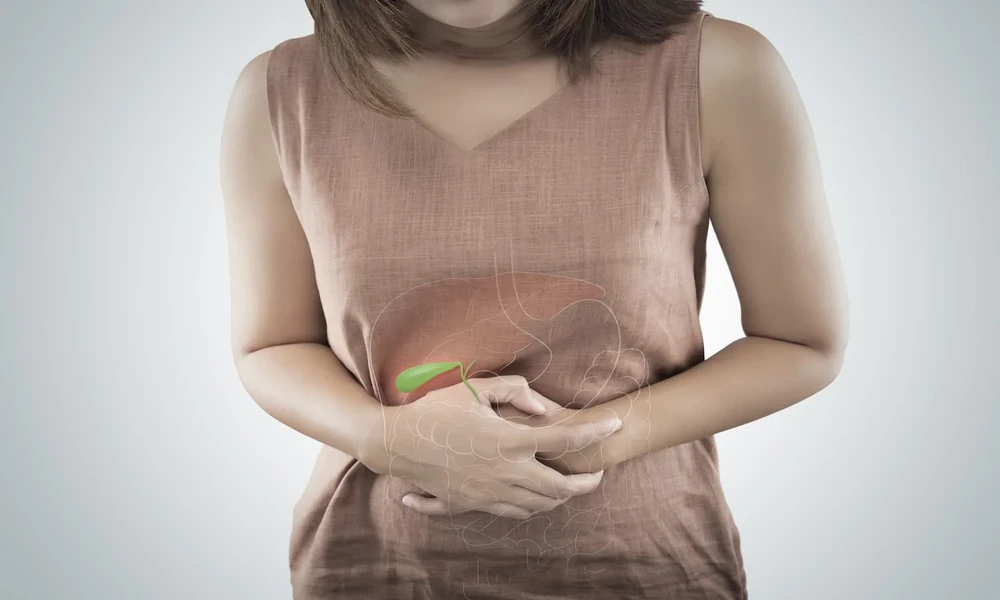
Bile duct cancer or “cholangiocarcinoma” is a rare but serious type of cancer. It grows in the bile ducts and tends to be challenging to deal with. Treatment usually includes surgery, chemotherapy, radiation therapy, or some mix of these. Many are also looking into Traditional Chinese Medicine (TCM).
TCM is considered a complementary support for bile duct cancer, not a replacement. The idea of this bile duct cancer treatment (膽管癌 治療) is to help with symptoms, boost quality of life and maybe give a more positive sense of well-being. Still, TCM should not take the place of evidence-based cancer care. Here’s what you need to know about this type of treatment.
TCM and Bile Duct Cancer
Traditional Chinese Medicine often works in a holistic way. It aims to restore balance inside the body, rather than only treat one health problem. For someone dealing with bile duct cancer, TCM is generally considered a supportive therapy alongside the required treatment plan.
The goal of TCM is to somehow improve the following:
- Ease the side effects of cancer treatment.
- Strengthen energy
- Support digestion
- Maintain overall comfort
Herbal Medicine
Chinese herbal medicine is one of the best-known parts of TCM. Usually, practitioners choose customized herbal mixes, tailored to the person’s overall condition and healthcare needs. The reason why TCM is popular is that it targets not only health concerns. Instead, it is a holistic approach. But first, patients should bring it up with their oncologist before starting a TCM treatment. That’s because certain herbs may interact with the current treatment.
Acupuncture
Acupuncture is often used to manage symptoms and treatment side effects. Some studies indicate acupuncture might be effective as long as it’s done by a qualified practitioner. This should not be considered as a direct treatment for cancer. Instead, get it to help manage the symptoms.
Expect an improvement with the following after an acupuncture appointment:
- Nausea
- Vomiting
- Fatigue
- Pain
- Dry mouth
- Loss of appetite
Dietary Therapy
Nutrition is key when it comes to supportive cancer care. TCM practitioners offer dietary guidance that’s tailored to a person’s current health condition. These try to help keep nutrition on track, support digestion, and choose food options that are easier to tolerate during treatment.
Stress Management
This is a part of TCM. A cancer diagnosis can create heavy emotional pressure for patients and their families. Traditional Chinese Medicine often blends in relaxation methods to help emotional balance. These approaches may ease stress as the person battles with this disease. This also offers support for a better quality of life during treatment.
Individualized Care Plans
One of the key benefits of TCM is that it is individualized based on the needs of the patient. TCM practitioners do not use the same treatment plan for all. Instead, certain factors are considered. That way, the supportive parts of the treatment can shift as the patient’s situation changes and treatment progresses.
TCM + Conventional Cancer Care
For bile duct cancer, the most useful treatment path is often through an integrated plan. That generally means combining evidence-based medical treatment with supportive TCM therapies. Surgery, chemotherapy, radiation, immunotherapy, and targeted treatments are still the core treatments for cancer. TCM options can be used for symptom relief and to improve quality of life.
Conclusion
Traditional Chinese Medicine or TCM can provide helpful support for those living with bile duct cancer. Dealing with symptoms of the disease and the side effects of different treatments are never easy. This is where TCM can help patients. Still, it should act as a complementary support, not a substitute. That’s how TCM treatments can be effective.
