
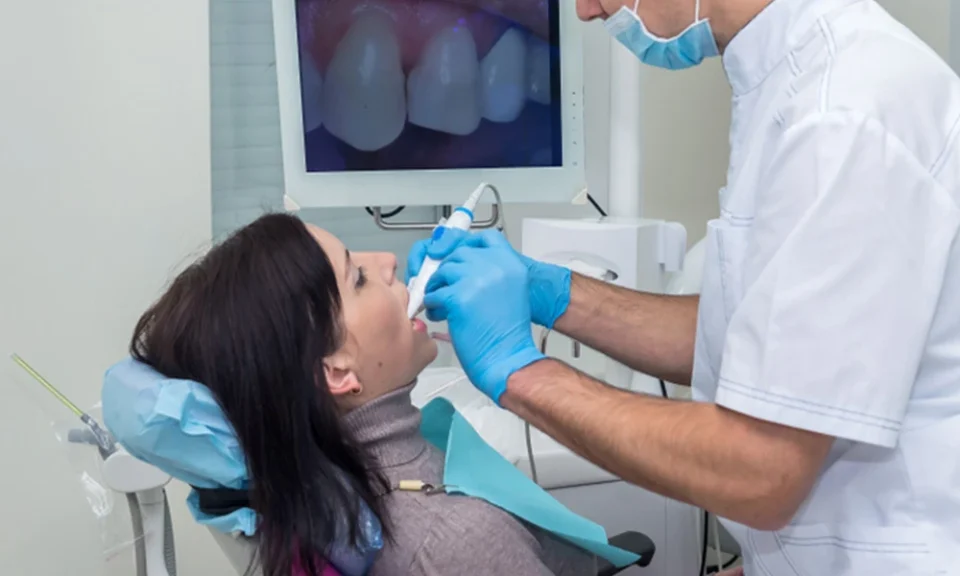
Full mouth restoration is a comprehensive dental treatment, that aims at rebuilding or replacing many, if not all, of the teeth in the upper and lower jaws. The cost will vary from patient to patient, depending on the individual’s dental requirements. The final cost will be based on the treatments necessary, the materials used, the dental provider and the complexity of the case.
For patients considering comprehensive dental treatment, understanding the expected investment can make it easier to plan for the procedures involved. The full mouth restoration cost hillsboro or may differ based on the extent of tooth damage, the restorative treatments required, the materials selected, and whether additional procedures such as extractions, periodontal care, or bone grafting are necessary. A detailed consultation and treatment plan can help patients understand which services they need and what factors will contribute to the overall cost.
HOW MUCH WILL IT COST ?
The number and type of procedures required are major factors affecting cost. The dental restoration services that may be included in the full mouth restoration may include dental implants, crowns, bridges, veneers, fillings, extractions, or other restorative services. Overall, the more procedures are needed, the more expensive the patient will be, as compared to a patient that needs limited restoration.
Dental implants and replacement options.
Dentures, bridges, and crowns can be attached to implants when teeth are lost. Teeth can be replaced with implants for dentures, bridges, and full-arch prostheses. The more implants needed will have a significant impact on the cost of treatment. Some patients might qualify for single implants and others for several implants in strategic positions in the mouth for full-arch therapy.
Materials Used
The total cost may be influenced by the choice of materials used for crowns, bridges, dentures and implant restorations. Porcelain, ceramic, zirconia, composite or acrylic may vary in durability, looks, production methods, price and more. Patients should be informed about the pros and cons of each material prior to choosing the one they want.
The Jawbone and Gums must be in good condition.
The complexity and cost of treatment can be impacted by oral health. If a patient’s gums are in very bad condition, periodontal treatment may be necessary before restorative treatment. If there is not enough bone to support the implant, a bone graft or other treatment can be used first. The extra treatments will add to the treatment total and length of time.
Language, Society, and Public Policy
Restoring a complex situation may need a detailed plan. Examining your oral structure, taking X-rays, photos, digital scans and 3D imaging may be done to assess your oral structures and create a treatment plan. Advanced technology can go beyond the initial cost and may be able to contribute to the treatment planning and accuracy.
The Dentist’s Background and where they are Located.
Fees can be impacted by the qualifications and experience of the dental professional. Full mouth cases of this nature may require work to be performed in conjunction by dentists, specialists, surgeon(s), and labs. There may also be differences in the cost due to geographical location and clinic operating costs.
The costs for the laboratory and customisation.
Special prosthetic work is often needed in a dental laboratory, as many full mouth restorations will require it. Costs may vary depending on the design, materials, manufacturing process, and customisation. The more complicated the restoration is, whether it be a personalised one or not, the longer the lab may take to complete and the more skill may be needed.
Follow-Up and Maintenance
Another factor that should be taken into account when determining the total investment is maintenance. Repairs, adjustments and replacement of some components may result in further costs in the long term.
Insurance and payment options.
The types of insurance vary depending on the insurances and procedures involved. Part compensation can be applied to some restorative treatments and exclusions to implants/ elective treatments. If necessary, the dental practice should confirm coverage and offer options for payments.
Conclusion
The cost of full mouth restoration will depend on the dental condition of the individual and the mix of dental procedures that will be performed.
