
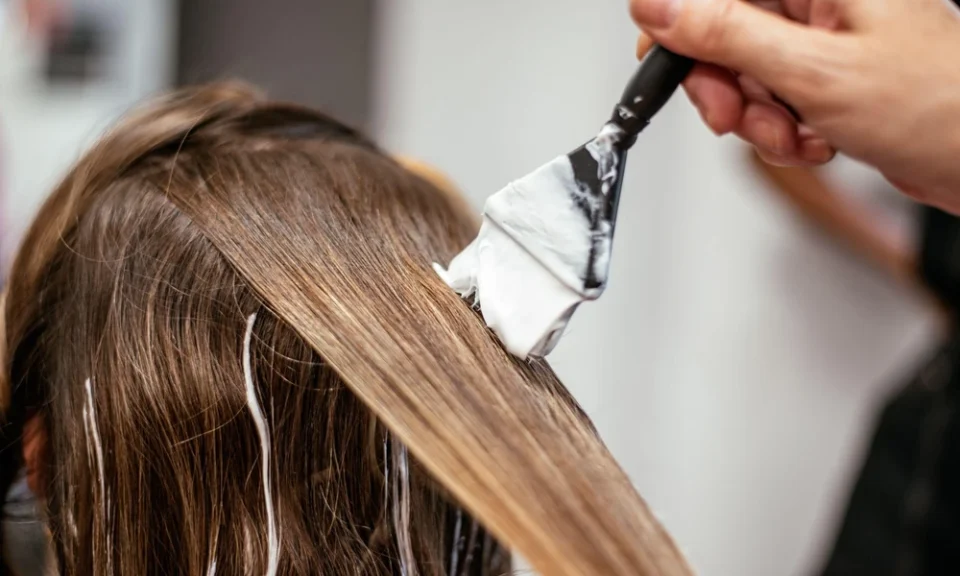
Hair colouring is a routine part of many people’s grooming, whether to cover grey hair, refresh a shade or try something new. However, for those with a sensitive scalp the products used and how often they are applied can lead to stinging, itching, redness or flaking. Many people switch to an ammonia-free hair colour in the hope of avoiding these reactions, but ammonia is only one of several ingredients that can affect the scalp. Looking at colouring habits as a whole gives a wider picture of what may be triggering discomfort.
Ingredients That Can Irritate the Scalp
Permanent and semi-permanent dyes contain a mix of chemicals that help colour penetrate the hair. Some of these are known to cause irritation or allergic reactions in certain people, including the following:
- Para-phenylenediamine (PPD) and related dyes, which are common causes of allergic contact dermatitis.
- Ammonia or substitutes such as ethanolamine, which open the hair cuticle and can sting sensitive skin.
- Hydrogen peroxide, which can cause a burning sensation or dryness.
- Resorcinol and fragrance compounds, which may irritate reactive skin.
- Preservatives found in some colour-care shampoos and conditioners used afterwards.
How the Colour Is Applied
The amount of contact between the dye and the skin varies with technique. For people with sensitive scalps, methods that keep product off the skin can make a difference, such as these:
- Highlights, balayage or foils that start slightly away from the root.
- Applying a barrier cream along the hairline, ears and neck.
- Avoiding scratching, brushing vigorously or exfoliating the scalp before colouring.
- Rinsing thoroughly with lukewarm water rather than hot water.
- Following the stated development time rather than leaving colour on longer.
- Skipping shampoo for a day before colouring, if your stylist recommends it.
Timing Colour Around Existing Skin Conditions
People with eczema, psoriasis or seborrhoeic dermatitis often find that when they colour, it matters as much as what they use. Anyone already using a scalp eczema treatment prescribed by a doctor may want to plan colouring sessions around it, with habits like these:
- Waiting until a flare-up has fully settled before booking a colour appointment.
- Checking with your doctor whether medicated shampoos or creams should be paused before or after colouring.
- Leaving a longer gap between sessions if colouring has triggered flare-ups in the past.
- Noting any itching or flaking in the days after each session to share at your next medical review.
How Often You Colour
Frequent colouring gives the scalp less time to recover between treatments. Repeated exposure can also raise the chance of developing a sensitivity over time, particularly in situations like these:
- Touching up roots every few weeks to cover grey hair.
- Switching between different brands or shades without a break.
- Combining colouring with bleaching, perming or relaxing treatments.
- Colouring again soon after a previous reaction has settled.
Steps to Take Before Your Next Appointment
A few precautions can lower the risk of a reaction, especially if you have had problems before. Before colouring, consider steps like these:
- Doing a patch test, usually around 48 hours before each application, even with a familiar product.
- Telling your stylist about any past reactions, skin conditions or medications.
- Asking for patch testing at a dermatology clinic if you suspect an allergy to a specific ingredient.
- Postponing colouring if the scalp is broken, sunburnt or already irritated.
- Seeking prompt medical help if swelling develops around the eyes, face or neck after colouring.
- Choosing semi-permanent or plant-based options after checking their ingredient lists, as some still contain PPD.
Colouring With Care
Scalp sensitivity does not always mean giving up hair colour, but it does call for closer attention to products, frequency and technique. Watching how your scalp responds after each session, and seeking medical advice when reactions persist or worsen, can help you continue colouring with less discomfort.
Enquire through our website about ammonia-free colour services for sensitive scalps.
