
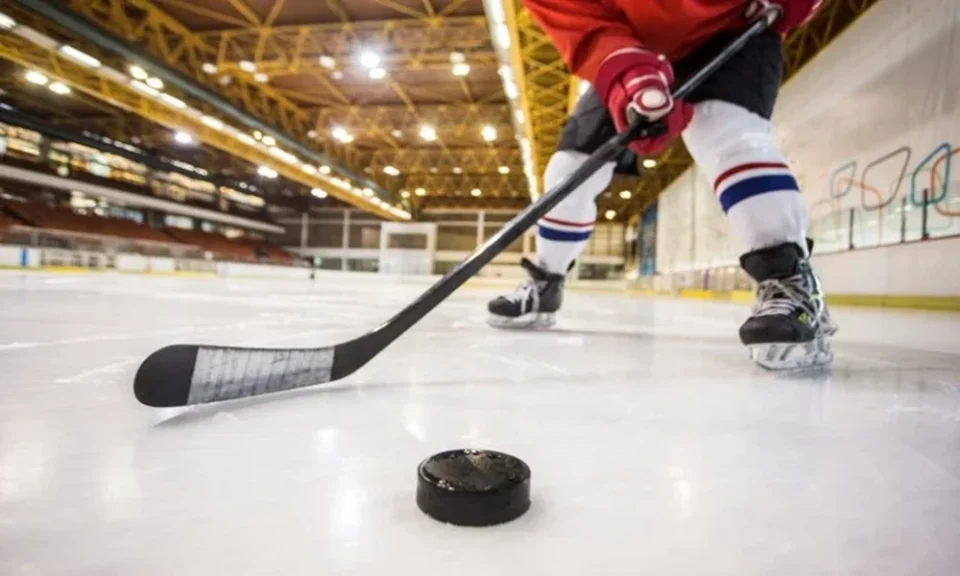
For young hockey players, nothing feels quite like the snap of stick against puck or the thrill of threading it through defenders. Yet skill doesn’t just come from showing up at team practice. The sharpest shooters and deftest stickhandlers all share a secret: extra, targeted training that transforms potential into performance.
Why Young Hockey Players Need Focused Skill Development
Traditional team practices are fast-paced, energetic, and fun, but they rarely provide enough time for each player to master the details. Coaches must juggle drills, strategies, and multiple players. As a result, individual attention, especially for stickhandling and shooting, gets lost in the shuffle.
Mastery in hockey hinges on repetition. When a player can repeat the same movement until it feels instinctive, new levels of control and confidence emerge. Individualized skill development allows for that crucial, focused repetition.
Young players often stumble in two areas: controlling the puck under pressure and shooting with accuracy. These aren’t skills developed in a single session. They demand hours of targeted training, practice, and patience.
Enhancing Stickhandling: Techniques and Training Focus
Gaining comfort with the puck starts simple. Beginners should focus on basic puck control, moving it side-to-side, and learning to keep their head up while stickhandling. The key is building muscle memory so the puck feels like an extension of the stick.
As players progress, the drills become more demanding. Quick hands, tight turns, and creative moves introduce unpredictability, mimicking real game scenarios. Advanced exercises might involve obstacle courses, changing speeds, or even blindfolded stickhandling to build instinct.
Having access to synthetic ice rinks, like those at West-End Cavendish Athletic Club in Montreal, makes practice possible in any season. Year-round training on simulated surfaces brings consistency, so players avoid the long off-ice gaps that can dull skills. The controlled environment also means mistakes become opportunities, not setbacks.
Sharpening Shooting Skills Through Targeted Training
Everyone loves a booming slapshot, but the foundation of good shooting is accuracy and proper mechanics. Young players should start by focusing on hand positioning and a smooth release rather than raw power. Being able to consistently hit targets builds a base for more complex shots.
A well-rounded shooter practices wrist shots, snap shots, slap shots, and backhands. Working on each type improves technique, timing, and versatility in game situations. Only after a player is comfortable with form and accuracy does it make sense to pursue harder, faster shots.
Confidence grows when a player sees improvement. Hitting the same target repeatedly, or seeing a tricky backhand find the net, gives immediate feedback and motivation to keep improving.
The Role of Confidence in Skill Mastery
Skill isn’t only about muscle, it’s mental, too. When a player feels at ease handling the puck or lining up a shot, they are more likely to take risks and make plays during games. That sense of comfort develops through repetition away from the spotlight of competition, where mistakes are simply steps on the path to progress.
Extra training time isn’t just about drills; it’s about fostering a growth mindset. Players learn that improvement comes with effort, and setbacks are opportunities to learn. The result? Athletes who are resilient, self-assured, and ready to face challenges.
Solutions: Structured Extra Training Sessions
Effective sessions target both stickhandling and shooting in a systematic way. A typical workout might blend focused puck control, shooting reps, and quick transitions between the two. Incorporating conditioning ensures players build endurance alongside skill.
Feedback is crucial. Using video analysis or simply asking a coach for pointers can help players correct errors early and avoid building bad habits. Breaking down movements frame by frame uncovers details missed in real time.
Taking Action: Making the Most of Extra Practice Opportunities
Finding the right environment is half the battle. Facilities such as West-End gym indoor hockey training offer young players the chance to hone skills on synthetic ice, regardless of the weather outside. For families not near a dedicated rink, a garage or basement with shooting pads and cones can serve as a mini training zone.
Consistency is the secret ingredient. Setting a regular schedule, even if it’s just short daily sessions, leads to steady progress. Partner drills, like passing back and forth or racing through puck-control courses, make practice fun and competitive. Solo routines keep motivation high between team events.
Long-Term Benefits of Focused Hockey Training
Players who dedicate extra time to their craft see lasting payoffs. Skills become automatic, not just practiced, and the confidence built translates to better performance in games and improved teamwork. Focused training also deepens a player’s passion for hockey, turning hard work into a lifelong love for the sport.
With the right plan and commitment, sharper shooting and stickhandling aren’t distant goals. They’re simply the next milestone, waiting to be reached through focused, enjoyable training sessions, one puck, one shot, one breakthrough at a time.
