
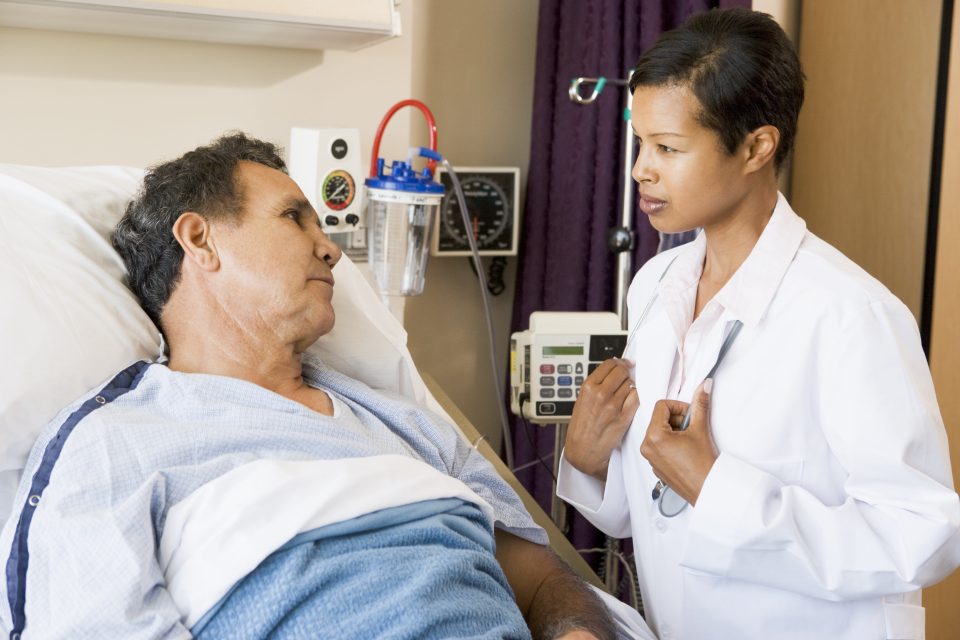
Many people focus heavily on preparing for a colonoscopy but pay less attention to the recovery process afterward. While the procedure itself is generally safe and routine, proper recovery habits can help reduce discomfort, support healing, and make the overall experience smoother.
Most patients recover quickly after a colonoscopy procedure, but certain overlooked recovery tips may help minimize bloating, fatigue, digestive discomfort, and temporary side effects after the procedure. Understanding what to expect after the examination can help patients feel more comfortable and confident during recovery.
What Happens After a Colonoscopy?
A colonoscopy test is a procedure used to examine the inside of the large intestine using a flexible camera tube. Because sedation is commonly used during the procedure, many patients feel:
- Drowsy
- Bloated
- Mildly uncomfortable
- Tired afterward
Some individuals may also experience temporary gas discomfort because air is introduced into the colon during the examination. Although recovery is usually straightforward, paying attention to post-procedure care may improve comfort and reduce unnecessary stress.
1. Don’t Rush Back Into Normal Activities
One of the most overlooked recovery tips is allowing the body enough time to rest. Even though many people feel relatively normal after a colonoscopy, sedation medications can temporarily affect:
- Coordination
- Judgment
- Energy levels
- Concentration
Patients are usually advised to:
- Avoid driving
- Avoid alcohol
- Skip strenuous activities
- Rest for the remainder of the day
Trying to resume normal activities too quickly may increase fatigue or discomfort.
2. Rehydrate Properly
Preparation for the procedure often involves bowel-cleansing solutions that may contribute to temporary dehydration. After the procedure, many patients focus on eating again but forget the importance of proper hydration. Drinking enough fluids may help:
- Reduce dizziness
- Improve energy levels
- Ease constipation
- Support digestive recovery
Water, electrolyte drinks, and clear fluids are often helpful after a colonoscopy, especially if patients still feel weak or tired.
3. Start With Light Meals
It may be tempting to eat a heavy meal immediately afterward, especially after fasting and bowel preparation. However, the digestive system may still feel sensitive for several hours after the procedure. Starting with lighter foods may help reduce:
- Bloating
- Nausea
- Stomach discomfort
- Digestive irritation
Patients often tolerate the following foods more comfortably during the initial recovery period.
- Soup
- Toast
- Rice
- Crackers
- Bananas
4. Don’t Ignore Mild Bloating
Temporary bloating and gas discomfort are very common after the procedure. During a colonoscopy, air is introduced into the colon to improve visibility for doctors. As a result, patients may experience:
- Cramping
- Pressure
- Gas discomfort
- Abdominal fullness
Gentle walking may help release trapped gas and reduce discomfort naturally. Most bloating improves within several hours.
5. Watch for Unusual Symptoms
Although complications are uncommon, patients should still monitor their symptoms carefully after the procedure. Medical attention may be necessary if patients experience:
- Severe abdominal pain
- Heavy bleeding
- Fever
- Persistent vomiting
- Dizziness that worsens
- Difficulty breathing
Mild spotting may occasionally occur after biopsy or polyp removal, but heavy bleeding should never be ignored. Knowing which symptoms are normal and which require medical evaluation is an important part of safe recovery after a colonoscopy.
6. Ease Back Into Your Diet Slowly
Another commonly overlooked tip is gradually returning to normal eating habits. Certain foods may temporarily irritate the digestive tract after the procedure, especially if biopsies or polyp removals were performed. Patients may benefit from limiting the following for the first day or two after the procedure.
- Spicy foods
- Greasy meals
- Alcohol
- Excess caffeine
A gradual approach often feels more comfortable for the digestive system.
7. Follow Your Doctor’s Instructions Carefully
Every patient’s recovery experience may differ depending on:
- Medical history
- Sedation used
- Whether biopsies were taken
- Polyp removal procedures
Doctors may provide personalized instructions regarding:
- Medications
- Activity restrictions
- Diet adjustments
- Follow-up appointments
Following these instructions carefully helps support smoother recovery and reduces the risk of complications after a colonoscopy.
Common Misconceptions About Recovery
Many people assume recovery ends immediately after leaving the clinic. However, mild fatigue, bloating, or digestive sensitivity may continue temporarily. Another misconception is that all symptoms after the procedure are dangerous.
In reality, mild gas discomfort and temporary bloating are very common and usually improve naturally. At the same time, serious symptoms should never be ignored. Understanding the difference helps patients recover with greater confidence and less unnecessary anxiety.
Why Recovery Care Matters
Good recovery habits do more than improve comfort. They may also:
- Reduce digestive irritation
- Prevent dehydration
- Support healing
- Lower stress
- Help patients return to normal activities more comfortably
Although a colonoscopy is generally considered a low-risk procedure, proper aftercare still plays an important role in overall recovery.
Conclusion
Many patients focus heavily on preparing for a colonoscopy but overlook the importance of recovery afterward. Simple habits such as resting, staying hydrated, eating light meals, and monitoring symptoms carefully can make the recovery process smoother and more comfortable.
Although most people recover quickly after a colonoscopy, understanding what to expect and following proper aftercare recommendations may help reduce discomfort and support better overall digestive recovery.
By paying attention to these commonly overlooked recovery tips, patients can approach the procedure with greater confidence and peace of mind.
