
INTRODUCTION
Most people notice changes in their eyesight little by little. Words on a page become harder to read, road signs seem less clear, or bright lights create more glare than they once did. Because these variations often happen slowly, it’s easy to accept they’re merely part of getting older. While aging does affect vision, cloudy eyesight shouldn’t be ignored. It usually points to an underlying issue that deserves attention.
Understanding the reasons behind changing visual clarity can make it easier to recognize when something more than normal aging may be involved. If you’re wondering about a Vision Getting Cloudy Over Time Guide,it’s helpful to consider factors such as changes to the eye’s lens, dryness on the eye’s surface, underlying health conditions, and everyday habits. Identifying the possible cause early can help you seek appropriate eye care and prevent a gradual change in vision from being overlooked.
CATARACTS ARE A LEADING CAUSE
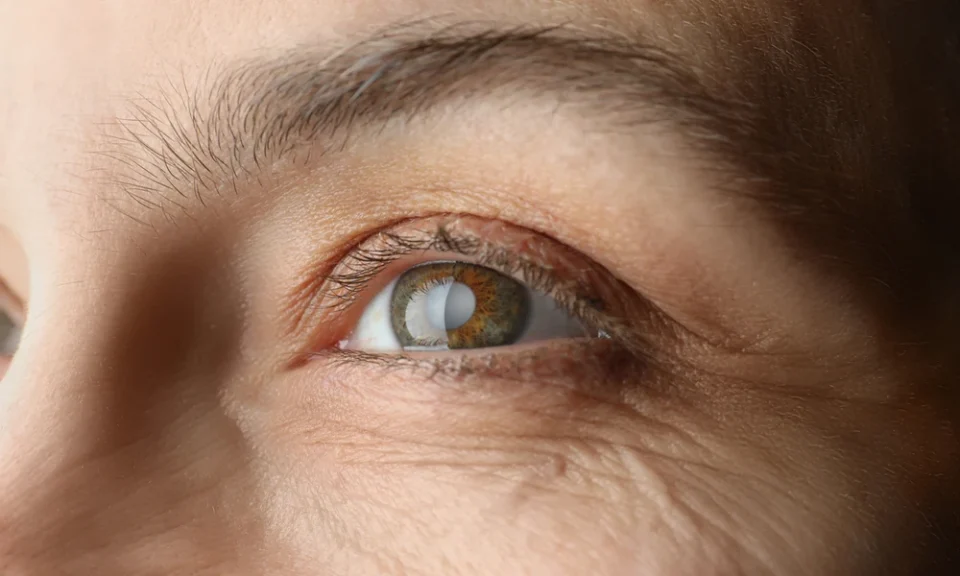
One of the most common causes of cloudy vision is the advancement of cataracts. Over time, the eye’s natural lens gradually loses its clarity. This change happens slowly, so many people don’t notice it at first. Colours may appear less vibrant, night driving becomes more difficult, and bright lights often produce glare or halos. Cataracts are especially common in older adults, but they can also develop earlier because of diabetes, smoking, previous eye injuries, or long-term use of certain medications.
DRY EYES CAN AFFECT VISUAL CLARITY
Healthy tears keep the eye’s surface smooth and comfortable. When the eyes don’t produce enough tears, or the tears evaporate too quickly, vision may become cloudy for short periods. Many people experience dry eyes after spending hours in front of a computer, sitting in air-conditioned environments, or taking certain medications. In these cases, blinking more often or using lubricating eye drops may improve vision, although persistent symptoms should still be evaluated by an eye care professional.
HEALTH CONDITIONS THAT IMPACT VISION
Several medical conditions can affect the eyes over time. Diabetes, for example, may damage the tiny blood vessels inside the retina, leading to changes in vision if blood sugar remains uncontrolled. High blood pressure can also affect the health of the eyes, particularly when it has been present for many years. Other eye diseases, including glaucoma and certain retinal disorders, may cause gradual vision changes without obvious warning signs. That’s one reason routine eye examinations remain important even when vision seems relatively normal.
EVERYDAY HABITS CAN PLAY A ROLE
Lifestyle choices also influence long-term eye health. Smoking increases the risk of several eye conditions, including cataracts. Excessive exposure to ultraviolet (UV) light without proper eye protection may contribute to changes in the lens and retina over time. Although digital screens don’t directly cause cloudy vision, prolonged screen use can lead to eye fatigue and dryness, making existing vision problems feel more noticeable.
FINAL THOUGHTS
Many eye conditions respond better to treatment when they’re discovered early. If cloudy vision persists, becomes worse, or is accompanied by eye pain, flashes of light, or sudden vision loss, prompt medical care is essential. Keeping up with regular eye examinations, eating a balanced diet, wearing sunglasses outdoors, and managing long-term health conditions can all help protect your eyesight. Clear vision supports everything from reading and driving to enjoying everyday activities, making it well worth the effort to care for your eyes throughout life.
