
Key Takeaways
- Consulting a cardiologist in Singapore helps translate these patterns into actionable care.
- Many heart-related issues develop quietly over time.
- Routine habits influence cardiovascular health more than expected.
- Preventive care is becoming a central focus in modern medicine.
- Understanding emerging research helps guide better health decisions.
Introduction
Many cardiovascular conditions develop gradually, with little to no immediate warning signs. This is where the role of a cardiologist in Singapore becomes increasingly relevant in interpreting data from routine health checks and lifestyle indicators. At the same time, heart screening has evolved to detect potential risks earlier. Structured screening programmes can help identify abnormalities in heart rhythm, blood flow, and structural function before they become serious concerns. By understanding these patterns, individuals can take a more proactive approach to their cardiovascular health.
The Shift Towards Preventive Cardiology
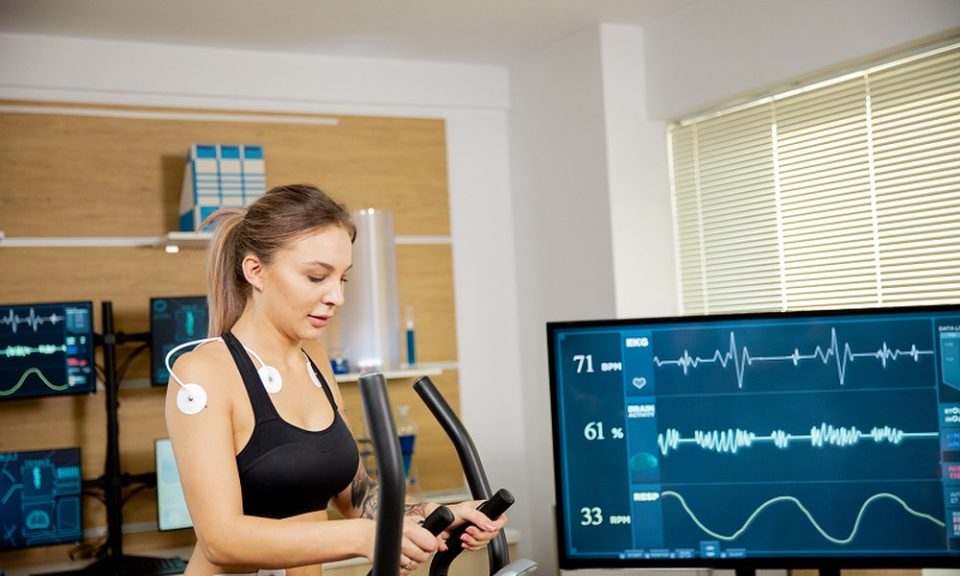
Early warning signs appear long before noticeable discomfort. A cardiologist in Singapore uses these indicators to assess the likelihood of future cardiovascular issues, allowing for earlier intervention. Heart screening plays a key role in this shift. These screenings often include tests such as electrocardiograms (ECGs), stress tests, and imaging studies, which provide a comprehensive view of heart function. By analysing these results, healthcare professionals can detect patterns that may not be evident through symptoms alone.
Patterns Emerging from Cardiovascular Medicine
Cardiovascular medicine has highlighted several recurring patterns that influence heart health. Sedentary behaviour, poor diet, and chronic stress may not cause immediate symptoms, but can lead to measurable changes in heart function over time. A cardiologist evaluates these patterns alongside clinical data, offering a clearer picture of an individual’s health. Similarly, heart screening provides measurable insights that support early detection and prevention.
Comprehending the Components of Heart Screening
To fully appreciate the value of screening, it is important to understand what it involves. A typical heart screening in Singapore includes several key assessments designed to evaluate different aspects of heart health. Each component provides specific insights, contributing to a comprehensive evaluation. A cardiologist interprets these results in context, considering factors such as age, medical history, and lifestyle.
Why Early Detection Matters More Than Ever
Identifying potential issues before they progress allows for more effective management and reduces the risk of complications. Detecting high blood pressure or abnormal heart rhythms early can lead to interventions that prevent more serious conditions such as heart attacks or strokes. This highlights the importance of regular heart screening services as part of a proactive health strategy. A cardiologist can guide patients through this process, helping them understand their results and take appropriate steps to maintain or improve their heart health.
The Role of Technology in Modern-Day Cardiology
Modern-day diagnostic tools provide detailed insights into heart function, enabling more precise assessments. Wearable devices, for instance, can track heart rate and activity levels, offering additional data that complements clinical evaluations. While these tools are not a substitute for professional care, they contribute to a broader understanding of health patterns. A cardiologist integrates these technological insights with traditional diagnostic methods, creating a more comprehensive approach to care.
Balancing Awareness and Action
While awareness of heart health has increased, translating this knowledge into action remains a challenge. Many individuals recognise the importance of preventive care but delay screenings due to time constraints or perceived lack of urgency. Regular heart screening in Singapore provides an opportunity to identify and address risks before they escalate. Consulting a cardiologist ensures that this process is guided by professional expertise, helping individuals make informed decisions about their health.
Creating a Sustainable Approach to Heart Health
Maintaining heart health involves regular monitoring, lifestyle adjustments, and professional guidance. Incorporating heart screening into routine health checks allows continuous assessment and early detection of changes. At the same time, working with a cardiologist provides access to personalised advice and support. This combination of regular screening and professional care creates a sustainable approach to cardiovascular health.
Conclusion
The evolving understanding of heart health highlights the importance of recognising patterns before they develop into problems. By focusing on preventive care, individuals can take a more proactive role in maintaining their well-being. A cardiologist in Singapore plays a crucial role in interpreting data and guiding patients towards effective strategies. Meanwhile, heart screening provides the tools needed to identify risks early and monitor progress over time. Ultimately, the goal is not just to treat heart conditions but to prevent them.
Curious about what your heart health data might reveal? Book a consultation with Dr Leslie Tay today to learn more.
