
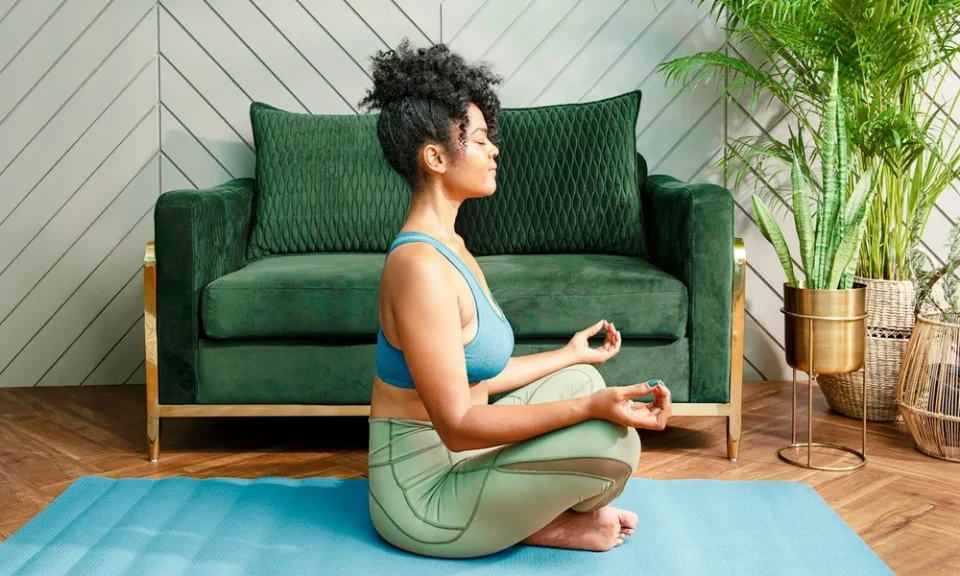
Meditation is a simple practice that allows you to pause, observe your thoughts, and direct your attention towards the present moment. However, beginners may find it difficult to remain focused because the mind naturally moves between daily responsibilities, memories, and future plans. Repeating a meaningful word or phrase can provide a steady point of attention during these moments.
Mantra meditation is one approach that uses repetition to support concentration and relaxation. It can be practised at home, during a break at work, or in any quiet place where you feel comfortable. You do not need special equipment or extensive experience to get started.
The purpose is not to force the mind to become completely empty. Instead, you learn to notice distractions and gently return your attention to a chosen sound, word, or phrase. With regular practice, this process can help you develop a more consistent meditation routine.
Understand the Role of Mantras in Meditation
A mantra is a word, sound, or phrase repeated during meditation. Some mantras come from established spiritual traditions, while others are simple phrases chosen to support attention and reflection.
The repetition gives the mind something specific to focus on. Instead of following every thought that appears, you can return to the sound or rhythm of the chosen phrase.
For example, a person who finds it difficult to concentrate may repeat a short sound silently while breathing naturally. Another person may choose a phrase such as “I am present” to remind themselves to return their attention to the current moment.
The experience differs from person to person. Some people find repetition calming, while others prefer silent observation or breath-focused meditation. There is no need to use a mantra if another meditation method feels more suitable.
Choose a Mantra That Suits Your Needs
Selecting a mantra is an important first step. A short, familiar phrase is often easier to repeat than a long sentence, particularly when you are new to meditation.
Your choice may depend on your personal preferences, cultural background, spiritual beliefs, or the purpose of your practice.
Here are a few options to consider:
- Om: A traditional sacred sound used in several Indian spiritual traditions.
- So Hum: A traditional mantra associated with breath awareness in some meditation practices.
- Peace: A simple word that can serve as a reminder to slow down.
- I am present: A phrase that encourages attention to the current moment.
- I breathe in, I breathe out: A phrase that connects repetition with the natural breathing cycle.
If you choose a mantra from a spiritual tradition, take time to understand its context and pronunciation where relevant. You do not need to select a phrase because it is popular or commonly recommended.
Choose something you can repeat comfortably without feeling distracted by its meaning or sound.
Prepare a Comfortable Meditation Environment
Before starting, find a place where you can sit without frequent interruptions. A quiet bedroom corner, a comfortable chair, or a small area in your living room can be suitable.
Keep the surroundings simple. You may use a cushion, a folded blanket, or a supportive chair to help maintain a comfortable posture. Adjust the lighting according to your preference and keep your phone on silent unless you need it for a guided session.
Sit with your back reasonably upright, relax your shoulders, and rest your hands comfortably. You do not need to sit cross-legged if doing so causes discomfort.
Allow a few moments to settle into your position before beginning the repetition. Notice the contact between your body and the seat, the sounds around you, and the natural movement of your breathing.
Preparing in this way creates a clear transition from everyday activities to a period of focused attention.
Begin With Natural Breathing
Before repeating a mantra, spend a minute observing your breath. Notice the air moving in and out without trying to change its speed or depth.
Breathing naturally helps you settle into the session. If you notice that you are holding your breath or breathing uncomfortably, return to your usual rhythm.
Once you feel ready, introduce your chosen word or phrase. You can repeat it silently in your mind, whisper it softly, or say it aloud if the setting allows.
For example, you might silently repeat “peace” with each comfortable exhalation. Alternatively, you can repeat the mantra at a steady pace without matching every repetition to a breath.
There is no need to force a particular rhythm. The aim is to create a simple, repeatable activity that helps you direct your attention.
Use mantras to Support Focus During Meditation
When you begin repeating mantras, treat the process as an opportunity to practise directing your attention rather than as a test of concentration.
Start with a short session of three to five minutes. Repeat the chosen sound or phrase at a comfortable pace and notice its pronunciation, rhythm, or meaning.
Your mind may wander towards unfinished tasks, conversations, or unrelated memories. This is a normal part of meditation. When you notice that your attention has moved elsewhere, acknowledge the distraction and return to the mantra.
You do not need to become frustrated or start the session again. Each return is another opportunity to practise focusing your attention.
If the mantra becomes repetitive or your mind feels restless, pause briefly and notice your breathing. You can then resume the repetition or finish the session with a few moments of silence.
Over time, you may discover that a particular word or sound is easier to work with than others. Let your experience guide your choice instead of changing mantras frequently in search of a perfect result.
Connect the Mantra With Your Breathing
Combining mantra repetition with breathing can provide a clear structure for meditation. It allows you to work with two simple points of attention: the words or sounds you repeat and the movement of the breath.
One method is to repeat a short phrase during inhalation and another during exhalation. For example, you might think “breathing in” as you inhale and “breathing out” as you exhale.
You could also repeat the same word gently during each exhalation. Choose whichever approach feels natural.
Avoid making your breathing unusually slow or deep just to fit the mantra. If coordinating the two becomes difficult, return to observing your breath alone and introduce the phrase again when you feel comfortable.
This method can be especially useful when your thoughts are moving quickly because it gives you a straightforward sequence to follow.
Explore Silent and Audible Repetition
Mantras can be repeated in different ways, and each method may suit a different situation.
Silent repetition: Repeat the word or phrase in your mind without producing sound. This option is convenient when you are meditating in a shared room, at work during a break, or while travelling in a suitable quiet setting.
Soft repetition: Whisper the mantra at a comfortable volume. Hearing your own voice may help you stay connected to the rhythm, although this method is not necessary for everyone.
Audible repetition: Say the mantra aloud at a natural volume. Some people prefer this approach because the sound itself becomes part of their attention.
Listening to repetition: You can listen to a guided recording or a recording of a repeated mantra. Keep the volume comfortable and choose a source that does not introduce unnecessary distractions.
Try one method at a time and notice which one feels easiest to maintain. You can also alternate between silent and audible repetition depending on your surroundings.
Manage Distractions Without Judging Yourself
A common misunderstanding about meditation is that successful practice requires a completely quiet mind. In reality, thoughts and sounds will continue to appear, even when you have been meditating for some time.
The useful skill is recognising when your attention has wandered and bringing it back without harsh self-criticism.
Suppose you begin repeating a mantra and suddenly remember an unfinished assignment. Instead of following the thought, acknowledge that your mind has shifted. Then return to the next repetition.
You may need to do this several times in a single session. That does not mean you are meditating incorrectly.
If a particular phrase brings up uncomfortable memories or emotions, you can stop using it and choose a neutral alternative. Meditation should not require you to push through significant distress.
A gentle, flexible approach makes it easier to continue practising without turning meditation into another source of pressure.
Build a Routine That Fits Your Daily Schedule
Regular practice is often easier to maintain when it is connected to an existing daily activity. You might meditate after waking up, before beginning work, or after returning home in the evening.
Start with five minutes and increase the duration gradually if you find the practice comfortable. There is no universal session length that works for everyone.
You can follow this simple routine:
- Find a comfortable place to sit.
- Spend a minute noticing your natural breathing.
- Repeat your chosen mantra for three to five minutes.
- Return to the phrase whenever your attention wanders.
- Finish by sitting quietly for a few moments before continuing your day.
Try to practise at a reasonably consistent time, but allow flexibility when your schedule changes. Missing a session does not mean you have lost your progress.
You can also make a brief note after meditation about how easy it was to concentrate or whether the chosen mantra felt comfortable. Avoid rating yourself solely on how relaxed you felt.
Know When to Adjust Your Practice
Your needs may change over time. A mantra that feels useful during a busy week may feel distracting on another day. You may also find that shorter sessions work better when you are tired.
If repetition starts to feel mechanical, slow down slightly or pay more attention to the sound and meaning of the words. Alternatively, take a brief pause and observe your breathing before continuing.
If you become sleepy, try meditating while sitting upright in a brighter room. If you experience physical discomfort, adjust your posture or use a supportive chair.
Some people prefer to combine mantra meditation with other practices, such as gentle stretching, mindful walking, or a short period of silent breathing. These approaches can complement one another without needing to be combined in every session.
Remember that meditation is a personal practice. The goal is to find a method you can use comfortably and consistently, not to follow a rigid routine.
Conclusion
Using a mantra during meditation offers a straightforward way to give your attention a clear point of focus. By choosing a suitable phrase, sitting comfortably, breathing naturally, and returning gently whenever your mind wanders, you can develop a practical meditation habit.
Start with a few minutes each day and adjust the method according to your experience. Some sessions may feel calm and focused, while others may involve frequent distractions. Both are normal parts of learning.
With patience and regular practice, mantra meditation can become a useful opportunity to pause, observe your thoughts, and approach everyday activities with greater awareness. The most important step is to begin simply and find a routine that works for you.
Frequently Asked Questions
1. Which mantra is best for beginners?
A short, familiar word such as “peace” or a simple phrase such as “I am present” can be a good starting point. You can also explore traditional mantras such as Om if they suit your interests and beliefs.
2. How long should I repeat a mantra during meditation?
Beginners can start with three to five minutes and gradually increase the duration if comfortable. Consistency and a manageable routine are more important than completing a long session.
3. Should I repeat a mantra aloud or silently?
Both methods are suitable. Silent repetition is convenient in shared spaces, while audible repetition may help some people focus on the sound. Choose the approach that feels comfortable and causes the fewest distractions.
4. Can mantra meditation help improve concentration?
Mantra meditation gives you a specific sound or phrase to return to when your attention wanders. Regular practice may help you practise sustained attention, although results vary and it does not guarantee improved concentration in every situation.
5. What should I do if my mind keeps wandering during mantra meditation?
Notice the distraction without judging yourself and gently return to the next repetition. Wandering thoughts are normal, and repeatedly bringing your attention back is an important part of the practice.
