
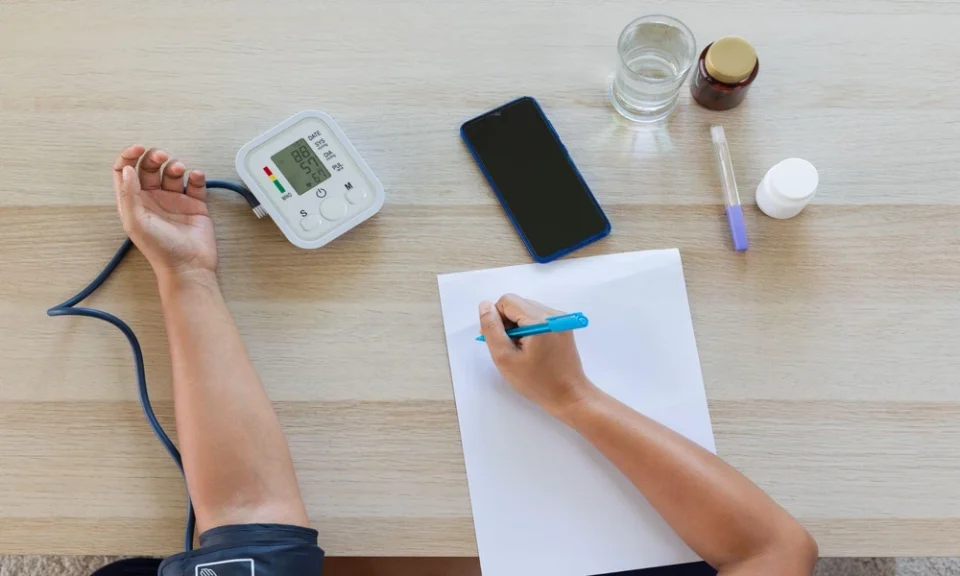
A single blood pressure number rarely tells the full story on its own, which is part of why understanding what causes high blood pressure for a specific individual often depends on looking at the context surrounding each reading, not just the number itself. Tracking a few additional details consistently can reveal patterns that a single measurement simply can’t show.
Contextual Details Around Each Reading
The circumstances at the time a reading is taken can meaningfully affect the result, making this context worth recording alongside the number.
- The time of day the reading was taken, since blood pressure naturally fluctuates throughout the day.
- Body position and which arm was used, since these can influence readings if not kept consistent.
- Whether the reading was taken after physical activity, since exertion temporarily raises blood pressure.
- How long it had been since the last meal, caffeine or nicotine intake.
Lifestyle Factors Worth Logging
Broader daily habits often connect to blood pressure patterns over time, even when their effect isn’t obvious from a single reading.
- Caffeine and alcohol intake for the day, including approximate timing relative to the reading.
- General stress levels, noted on a simple scale rather than requiring detailed description.
- Sleep duration and quality from the previous night, since both can influence next-day readings.
- Physical activity levels throughout the day, beyond just activity immediately before a reading.
Diet and Medication Notes
For those managing blood pressure through diet or medication, tracking these details specifically can help clarify how well current strategies are working.
- Approximate sodium intake, particularly on days when readings appear notably different from usual.
- Medication timing and whether doses were taken as prescribed, since missed or delayed doses can affect readings.
- Any new medications or supplements introduced recently, including over-the-counter products.
Physical Symptoms Worth Noting When Present
Persistent hypertension often produces no noticeable symptoms, which is part of why tracking is useful even when nothing feels obviously wrong. Still, when signs and symptoms of high blood pressure do occur, recording them alongside readings adds useful context.
- Headaches, particularly if they occur alongside a notably elevated reading.
- Dizziness or lightheadedness experienced around the time of measurement.
- Any other unusual physical sensations, even if they seem minor or unrelated at first.
How to Organise This Information Effectively
A tracking system only helps if it’s consistent enough to reveal patterns over time, rather than scattered notes that are hard to compare.
- Using a simple notebook, spreadsheet or dedicated app to record readings and context in one place.
- Recording details in the same format each time, making entries easier to compare later.
- Reviewing the log periodically, rather than only referring back to it when a reading seems unusually high.
Avoiding Common Tracking Mistakes
A few habits can undermine the usefulness of a tracking log, even when someone is otherwise diligent about recording readings regularly.
- Taking readings at inconsistent times of day, which makes it harder to compare entries meaningfully over time.
- Skipping the context notes on days when a reading seems normal, since these entries still help establish a baseline pattern.
- Relying on memory rather than recording details immediately, since specifics like timing and activity are easy to forget by the end of the day.
- Only logging readings during periods of concern, rather than maintaining a consistent record that reflects typical, everyday patterns as well.
Why Tracking These Details Matters
Without this additional context, it’s difficult to tell whether a particular reading reflects a genuine pattern or simply an unusual set of circumstances on a given day. Bringing a detailed, consistent record to a healthcare provider generally supports a more informed conversation than relying on isolated numbers alone.
Visit Singapore Heart Foundation to discuss what else might be worth tracking alongside your blood pressure readings. A fuller picture can make it easier to spot patterns early.
